

Philadelphia Criminal Defense Blog

PA Supreme Court: Prosecution May Not Remove Defendant from ARD for Truthful Answers

Criminal Defense Attorney Zak T. Goldstein, Esquire
The Pennsylvania Supreme Court has decided the case of Commonwealth v. Jenkins, ruling that a judge cannot revoke a defendant’s Accelerated Rehabilitative Disposition (ARD) status simply for failing to mention an uncharged arrest on their ARD application where the prosecution never asked about uncharged arrests on the application itself. The decision limits the idea of “deception by omission” and makes clear that ARD participants can only be removed for violating actual, written conditions of the program, not for conduct that merely offends the “spirit” of rehabilitation.
The Facts of the Case
The defendant was arrested for DUI in May 2021 and later applied for ARD in Adams County. Before charges were filed for a second DUI arrest that summer, the defendant truthfully completed his ARD application, which required him to disclose any pending criminal charges but said nothing about uncharged arrests.
He was accepted into ARD, but when prosecutors later learned of the earlier uncharged arrest, they moved to revoke his participation, arguing that he violated ARD “Rule #1” prohibiting violations of the law and that omitting the arrest “defeated the spirit of ARD.” Both the trial court and the Superior Court agreed with the District Attorney. The defendant appealed the order kicking him out of ARD to the Pennsylvania Supreme Court.
The Supreme Court Reverses
Chief Justice Debra Todd, writing for a unanimous Court, rejected that reasoning. The justices held that the defendant had not violated any ARD condition. He didn’t commit a new crime after admission, and his application contained no misrepresentation because he simply was not asked about uncharged arrests.
The Court emphasized that ARD revocation must rest on a violation of specific conditions found in statute or rule, not on implied ones. Citing Commonwealth v. Foster and Commonwealth v. Rosario, the Court refused to invent an “implied condition” that defendants must self-report uncharged arrests. The ARD statute, 75 Pa.C.S. § 3807, and Rule 318 allow removal only if a participant commits a new offense or violates an enumerated condition, and neither applied here. In other words, a defendant must answer the questions asked truthfully, but they do not have to answer questions that are not asked.
Rejecting the Commonwealth’s “Spirit of ARD” Argument
The Commonwealth urged the Court to follow older cases like Boos and Jones, which allowed revocation when applicants concealed disqualifying convictions or lied on their forms. The Court distinguished those cases: the defendant’s application was truthful, and the ARD paperwork never asked about uncharged arrests. That was the Commonwealth’s problem, not his.
Justice Todd wrote that if prosecutors want such information, they must ask for it explicitly, not rely on defendants to guess what’s relevant. In her words, “We find no basis on which to expect an applicant to guess at what information he is expected to disclose.”
Takeaway
This decision restores clear limits on when ARD can be revoked. Courts cannot terminate a defendant’s participation based on uncharged conduct that occurred before admission or on vague notions of “deception by omission.”
If an ARD application doesn’t ask about arrests, an applicant has no duty to volunteer them. The opinion also suggests that counties should update their ARD forms if they want that information in the future. The ruling is an important reminder that the ARD process is governed by written rules, not by unchecked prosecutorial discretion or moral intuitions about candor.
Facing criminal charges or appealing a criminal case in Pennsylvania or New Jersey?

Goldstein Mehta LLC Criminal Defense
If you are facing criminal charges or under investigation by the police, we can help. We have successfully defended thousands of clients against criminal charges in courts throughout Pennsylvania and New Jersey. We have successfully obtained full acquittals in cases involving charges such as Conspiracy, Aggravated Assault, Rape, and Murder. We have also won criminal appeals and PCRAs in state and federal court. Our award-winning Philadelphia criminal defense lawyers offer a free criminal defense strategy session to any potential client. Call 267-225-2545 to speak with an experienced and understanding defense attorney today.

Attorney Goldstein Wins Federal Suppression Motion in Electronic Contraband Case
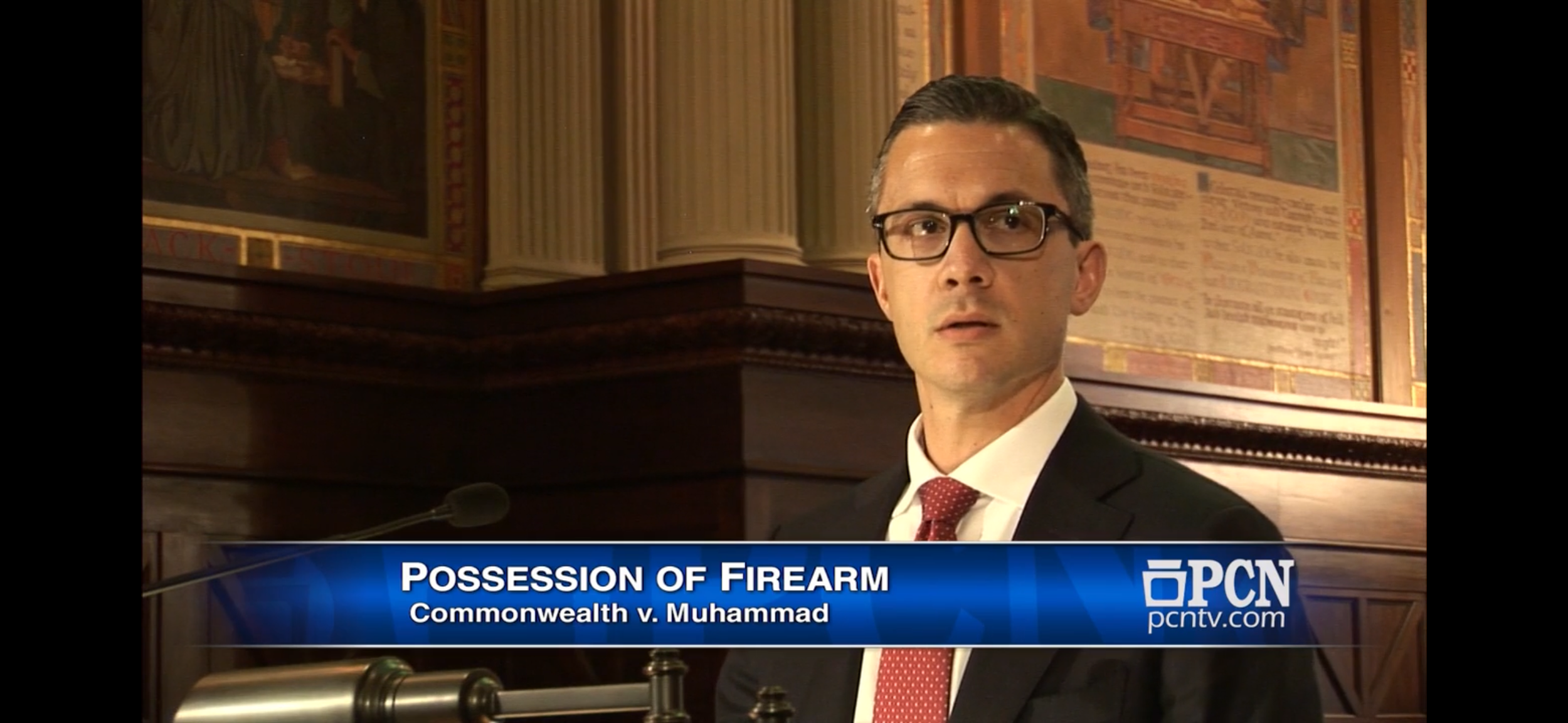
Criminal Defense Lawyer Zak T. Goldstein, Esquire
Philadelphia criminal defense attorney Zak T. Goldstein, Esquire, of Goldstein Mehta LLC recently secured a major victory in federal court when a judge granted his motion to suppress all evidence in a serious federal criminal case. The ruling, issued by the United States District Court for the Eastern District of Pennsylvania, resulted in the exclusion of every item seized by investigators and effectively ended the government’s case.
The client had been charged in federal court with offenses involving the alleged possession and production of unlawful digital material. The prosecution’s entire case depended on evidence taken from a series of search warrants that allowed agents to seize and examine the client’s computers, phones, and other electronic devices.
Attorney Goldstein challenged the legality of those searches in a “four corners” motion, arguing that the warrants were unconstitutional because they were not supported by probable cause. In particular, he demonstrated that the affidavits failed to draw any meaningful connection between the conduct being investigated and the belief that illegal material would be found on the client’s electronic devices. Instead, the government relied on a boilerplate assumption that people accused of sexual misconduct are likely to possess such material on their electronics. Attorney Goldstein argued that this “profile-based” reasoning violated long-standing Third Circuit precedent, which requires a clear factual nexus between the alleged crime and the evidence sought.
The federal judge agreed, ruling that the affidavits were too speculative to support probable cause and that the warrants were so deficient that the “good faith” exception did not apply. The court found that no reasonable officer could have believed that the affidavits established a sufficient basis to search the client’s home and devices. Because the subsequent search warrants were based on evidence obtained from the initial unconstitutional searches, all of the evidence in the case was suppressed.
This outcome is a tremendous win and a relatively rare event in federal criminal litigation. Federal suppression motions are extremely difficult to win. Courts often defer to the government’s investigative process, and they routinely apply a good faith exception where, as here, investigators obtain a search warrant even if the warrant itself turns out to be lacking. Attorney Goldstein’s success demonstrates the value of a deep understanding of constitutional law and the willingness to challenge law enforcement overreach through careful, methodical, and aggressive litigation.
Facing federal criminal charges? We can help.

Criminal Lawyer Zak T. Goldstein, Esquire
If you are facing criminal charges or under investigation by the police, we can help. We have successfully defended thousands of clients against criminal charges in courts throughout Pennsylvania and New Jersey. We have successfully obtained full acquittals and dismissals in cases involving charges such as Conspiracy, Aggravated Assault, Rape, Violations of the Uniform Firearms Act, and First-Degree Murder. We have also won criminal appeals and PCRAs in state and federal court, including the successful direct appeal of a first-degree murder conviction and the exoneration of a client who spent 33 years in prison for a murder he did not commit. Our award-winning Philadelphia criminal defense lawyers offer a free criminal defense strategy session to any potential client, and we frequently spot issues and defenses that other lawyers miss. Call 267-225-2545 to speak with an experienced and understanding defense attorney today.

PA Superior Court: Jurisdiction Exists for Out-of-State Access Device Fraud When Complainant Lives in Pennsylvania

Philadelphia, PA Criminal Defense Lawyer Zak T. Goldstein, Esquire
The Pennsylvania Superior Court has decided the case of Commonwealth v. Washington, holding that the Commonwealth could prosecute the defendant for allegedly committing fraud out of state when the complainant and the complainant’s financial accounts were based in Pennsylvania.
The Facts of the Case
In Commonwealth v. Washington, 2025 PA Super 183, the Pennsylvania Superior Court held that Pennsylvania courts have jurisdiction to prosecute access device fraud committed outside the Commonwealth when the complainant resides here and the affected financial account is maintained in Pennsylvania. The Court rejected the defendant’s jurisdictional challenge.
The defendant was charged in Montgomery County, PA with one count of Access Device Fraud under 18 Pa.C.S. § 4106(a)(1)(ii). While physically in New York, the defendant used an altered check and fake identification belonging to a Pennsylvania resident. Using the forged documents, he cashed a counterfeit $3,500 check and withdrew $5,000 from the complainant’s KeyBank account.
The complainant lived in Lower Salford Township in Montgomery County, and KeyBank operated branches there. After the transactions, a New York branch manager contacted the complainant, who confirmed that he had not authorized the withdrawals. Surveillance footage identified the defendant, who was arrested and extradited to Pennsylvania. He pleaded guilty and was sentenced to nine to twenty-three months in jail. On appeal, the defendant argued that Pennsylvania lacked subject-matter jurisdiction and venue because the fraudulent conduct occurred entirely in New York State.
The Superior Court’s Analysis
The Superior Court rejected that argument and affirmed the conviction. Under 18 Pa.C.S. § 102, Pennsylvania courts may exercise jurisdiction if either the conduct constituting an element of the offense or the result of that conduct takes place within the Commonwealth. Access Device Fraud under § 4106(a)(1)(ii) criminalizes using another person’s access device without authorization. The Court held that an essential element of the offense—the failure to obtain the owner’s consent—occurs where the victim resides. Because the complainant lived in Montgomery County, the defendant’s unauthorized use of the complainant’s financial information constituted conduct occurring within Pennsylvania even though the defendant was in New York.
The Court also concluded that venue was proper in Montgomery County under § 4106(e), which provides that such offenses may be deemed committed “at the place where the property or services were received or provided, or at the place where the lawful charges for said property or services are billed.” Because the complainant’s account and the relevant KeyBank branch were located in Montgomery County, that county was the proper venue.
Citing similar reasoning from courts in Massachusetts and Florida, the Superior Court confirmed that Pennsylvania may exercise jurisdiction over out-of-state access device or identity-theft offenses when the complainant resides in Pennsylvania and the loss is tied to a Pennsylvania account.
The Takeaway
Commonwealth v. Washington establishes that Pennsylvania courts can prosecute financial crimes committed elsewhere if the victim lives in Pennsylvania and the affected funds are drawn from a Pennsylvania account. Even remote, out-of-state conduct can support Pennsylvania charges when the harm and loss occur within the Commonwealth.
Facing criminal charges? We can help.

Goldstein Mehta LLC Criminal Defense Attorneys
If you are facing criminal charges or under investigation by the police, we can help. We have successfully defended thousands of clients against criminal charges in courts throughout Pennsylvania and New Jersey. We have successfully obtained full acquittals in cases involving charges such as Conspiracy, Aggravated Assault, Rape, and Murder. We have also won criminal appeals and PCRAs in state and federal court. Our award-winning Philadelphia criminal defense lawyers offer a free criminal defense strategy session to any potential client. Call 267-225-2545 to speak with an experienced and understanding defense attorney today.

PA Superior Court Rejects Request for Hearing on Juror Misconduct Allegations in Commonwealth v. Hall
Criminal Defense Lawyer Zak T. Goldstein, Esquire
In Commonwealth v. Wakeem Hall, No. 1399 EDA 2024 (Pa. Super. Sept. 15, 2025), the Pennsylvania Superior Court considered whether a defendant was entitled to an evidentiary hearing based on allegations that the jury foreperson, who was an attorney, may have told other jurors that the defendant’s failure to call character witnesses at trial must have meant he had a prior criminal record. The Court affirmed the trial court’s denial of relief and decision not to hold an evidentiary hearing on the defendant’s claim, holding that the defendant’s proffer was speculative and insufficient to overcome the rule prohibiting inquiry into jury deliberations.
The Facts of the Case
Following a jury trial, the defendant was convicted in the Philadelphia Court of Common Pleas of involuntary deviate sexual intercourse (IDSI) with a child, endangering the welfare of a child, corruption of a minor, and unlawful contact with a minor. The criminal charges stemmed from allegations that he repeatedly abused his biological daughter in 2015 when she was nine and ten years old. He was found guilty and sentenced to an aggregate term of 15 to 30 years in prison followed by 10 years of probation.
After trial, the defendant filed a motion for a new trial and an evidentiary hearing. He argued that the jury foreperson, who was a lawyer, may have told the rest of the jury that the defendant’s failure to call character witnesses indicated he had a prior record. This allegation arose from questions jurors asked defense counsel after the verdict had already been returned and the jurors discharged. The trial court denied the motion, finding the allegations supporting it to be speculative. Because of a court system error that prevented him from filing a timely appeal, the defendant’s appellate rights were later reinstated nunc pro tunc through PCRA proceedings, and he appealed to the Superior Court.
The Pennsylvania Superior Court’s Ruling
On appeal, the defendant argued that he should have been granted an evidentiary hearing to question jurors about whether they considered improper information during deliberations. The Superior Court rejected the claim and affirmed the trial court’s denial of the motion. The Court explained that trial courts should only grant such hearings when there is actual evidence that jurors received information from outside the trial — for example, when someone testifies that jurors asked friends or relatives for advice or looked up information on their own. Here, however, there was no solid evidence of that. At most, defense counsel speculated that the foreperson might have suggested something about character witnesses, and even that was not clearly established.
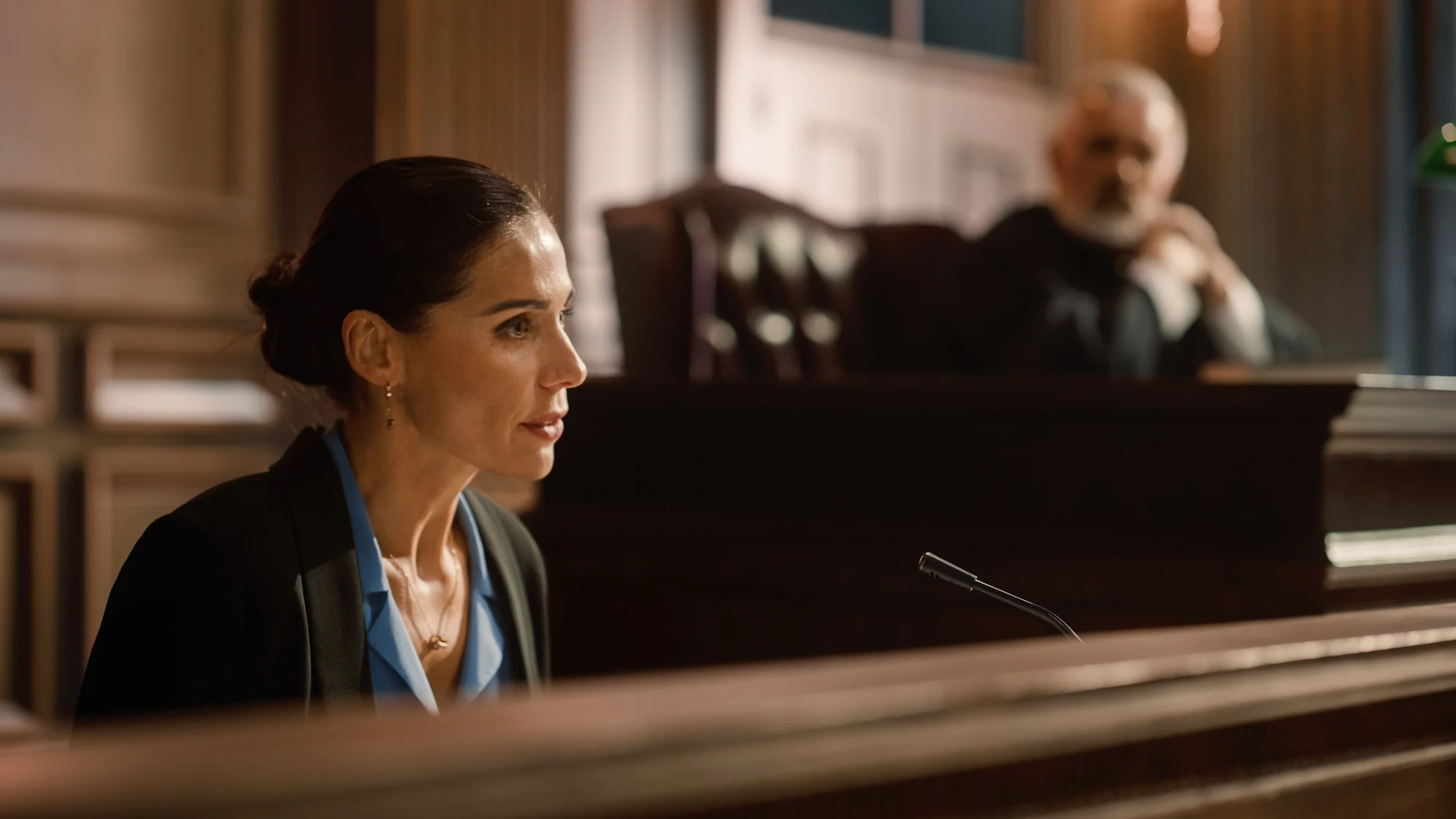
The Court emphasized that jurors are allowed to bring their own life experiences and common sense into deliberations. This is true even if the juror is a lawyer, and the defense or prosecution could have struck that juror using a peremptory strike or for cause if there was evidence that the juror could not be fair. It is not unusual for jurors to wonder why a defendant did not call certain witnesses, and the law does not permit attorneys to question jurors after the fact about such speculation. Because the defendant’s claim relied only on assumptions and not on actual evidence of outside influence, the trial court acted within its discretion in denying his request.
Pa.R.E. 606 governs a juror’s competency as a witness (or their availability to be called as a witness), and it generally holds that they cannot testify. There are limited exceptions, but the Court did not find that exceptions applied here. The rule provides:
Rule 606. Juror’s Competency as a Witness.
(a) At the Trial. A juror may not testify as a witness before the other jurors at the trial. If a juror is called to testify, the court must give a party an opportunity to object outside the jury’s presence.
(b) During an Inquiry into the Validity of a Verdict
(1) Prohibited Testimony or Other Evidence. During an inquiry into the validity of a verdict, a juror may not testify about any statement made or incident that occurred during the jury’s deliberations; the effect of anything on that juror’s or another juror’s vote; or any juror’s mental processes concerning the verdict. The court may not receive a juror’s affidavit or evidence of a juror’s statement on these matters.
(2) Exceptions. A juror may testify about whether:
(A) prejudicial information not of record and beyond common knowledge and experience was improperly brought to the jury’s attention; or
(B) an outside influence was improperly brought to bear on any juror.
Here, the Court found that none of the exceptions applied due to the speculative nature of the defendant’s allegations.
The Takeaway
This case shows how difficult it is to challenge a jury verdict based on what may have been said in the jury room. Pennsylvania law strictly limits any inquiry into jury deliberations, and courts require solid proof of outside influence or improper information before allowing a hearing. Mere speculation about what jurors may have thought or said is not enough to overturn a conviction or obtain a new trial or even an evidentiary hearing.
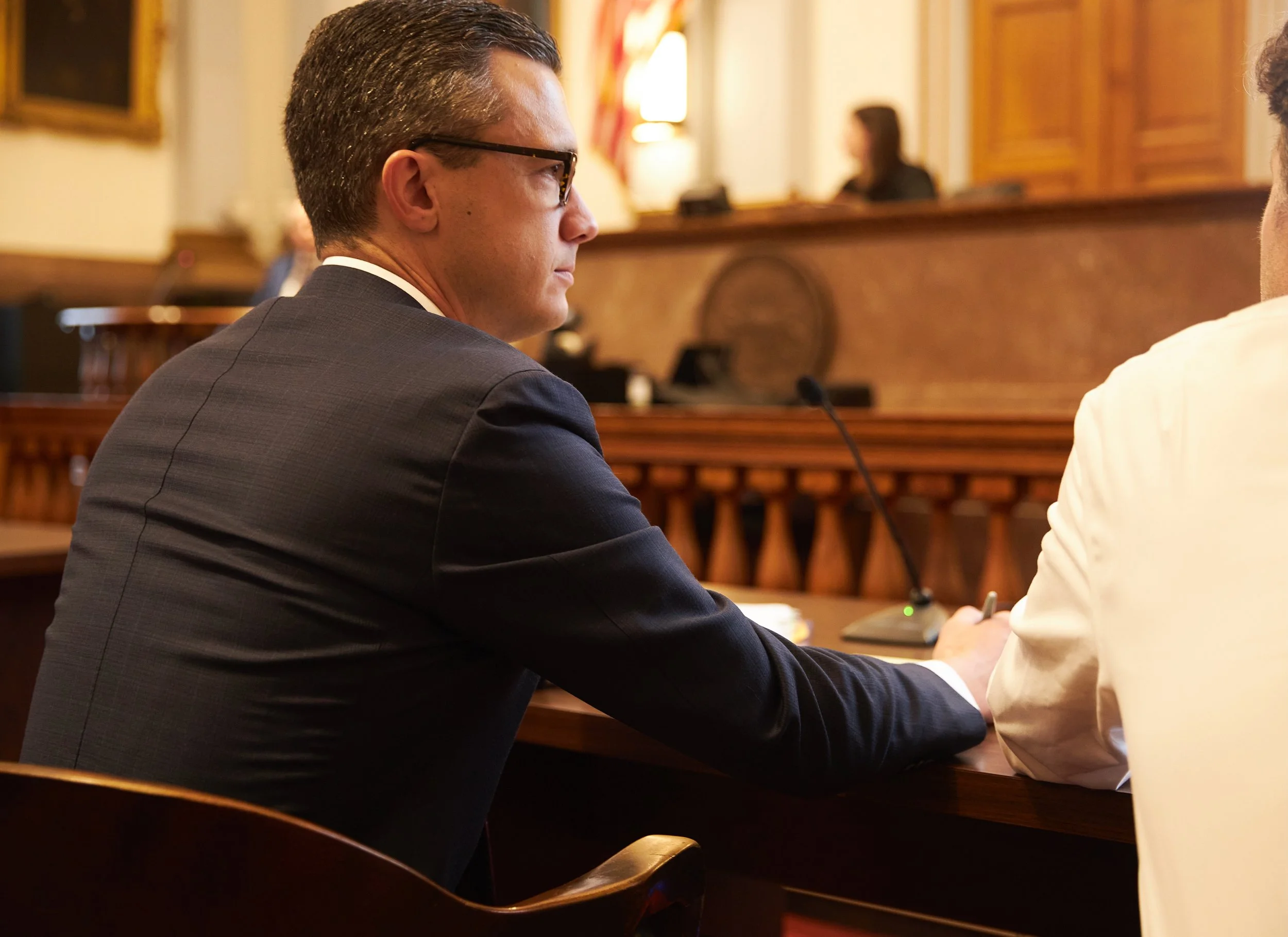
Criminal Defense Attorney Zak T. Goldstein, Esquire
Facing criminal charges? We can help.
If you are facing criminal charges or under investigation by the police, we can help. We have successfully defended thousands of clients against criminal charges in courts throughout Pennsylvania and New Jersey. We have successfully obtained full acquittals and dismissals in cases involving charges such as Conspiracy, Aggravated Assault, Rape, Violations of the Uniform Firearms Act, and First-Degree Murder. We have also won criminal appeals and PCRAs in state and federal court, including the successful direct appeal of a first-degree murder conviction and the exoneration of a client who spent 33 years in prison for a murder he did not commit. Our award-winning Philadelphia criminal defense lawyers offer a free criminal defense strategy session to any potential client. Call 267-225-2545 to speak with an experienced and understanding defense attorney today.