Philadelphia Criminal Defense Blog
Zak Goldstein Recognized Among Top 10 Criminal Defense Attorneys under 40 in Pennsylvania
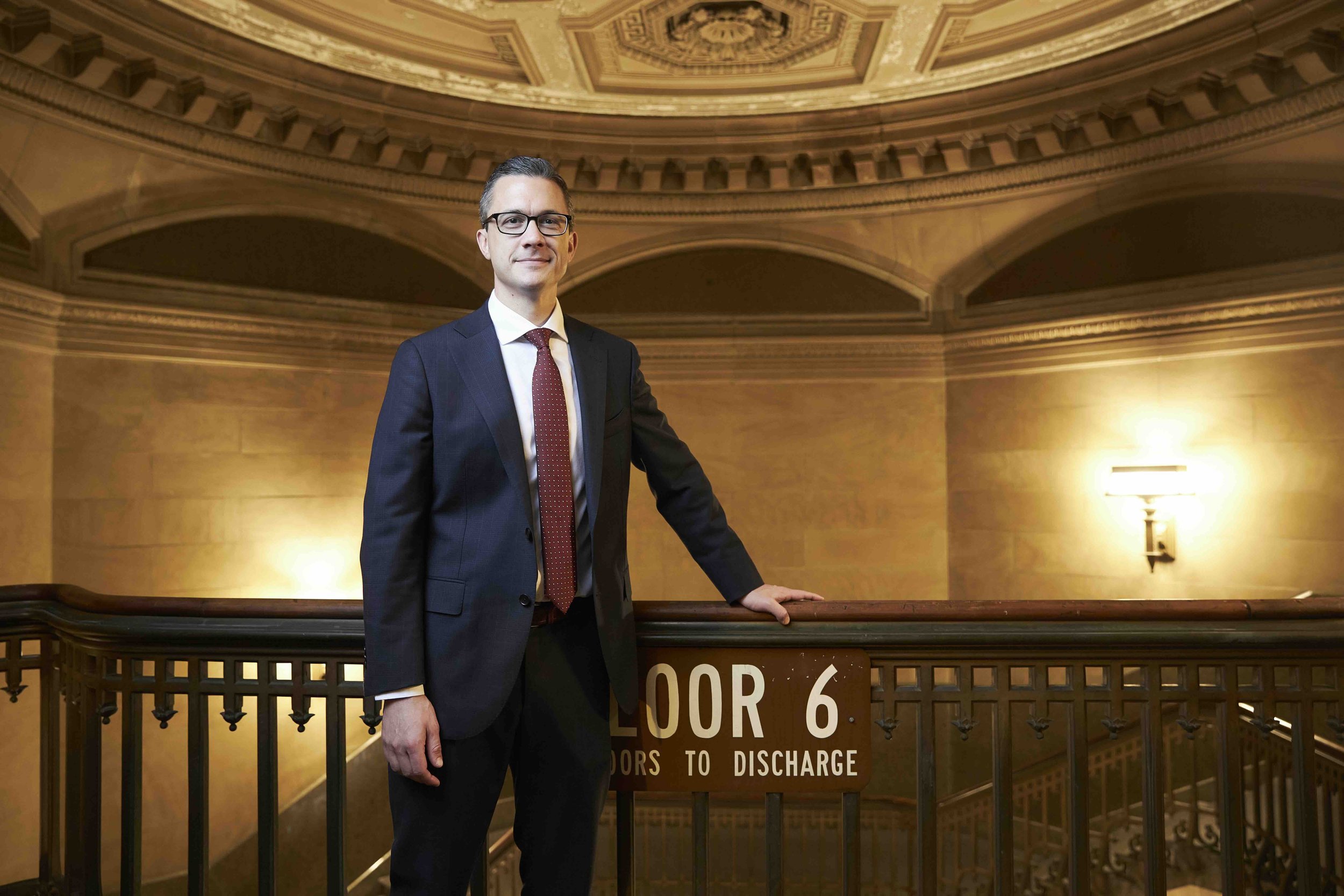
Philadelphia Criminal Defense Lawyer Zak T. Goldstein has just been recognized by the National Academy of Criminal Defense Attorneys as one of the top 10 criminal defense attorneys under 40 in the state of Pennsylvania. We greatly appreciate the recognition and will continue to fight hard for our clients' rights every day in and out of the courtroom. Learn more about the ranking system here.

How does bail work? What is a Preliminary Arraignment?
I just got arrested. How does bail work?
Most criminal cases begin with an arrest. Occasionally, in the suburban counties, they may begin with a summons to appear before the Magisterial District Justice. The first court hearing in a criminal case is called the preliminary arraignment. The preliminary arraignment is a hearing in which the magistrate or bail commissioner informs the defendant of the charges and sets bail.
Preliminary Arraignment
Following an arrest, the police will process the defendant and schedule the preliminary arraignment at which bail will be set. The amount of time between arrest and preliminary arraignment can vary depending on the location of the arrest. In Philadelphia, it typically takes between 12-24 hours before the defendant will be brought before the bail commissioner by video for preliminary arraignment. In the suburban counties, the police will typically take the defendant to preliminary arraignment before a Magisterial District Justice much more quickly if the District Justice’s office is open. If the office is closed, the defendant could have to wait at the county prison until the next business day.
The Affidavit of Probable Cause
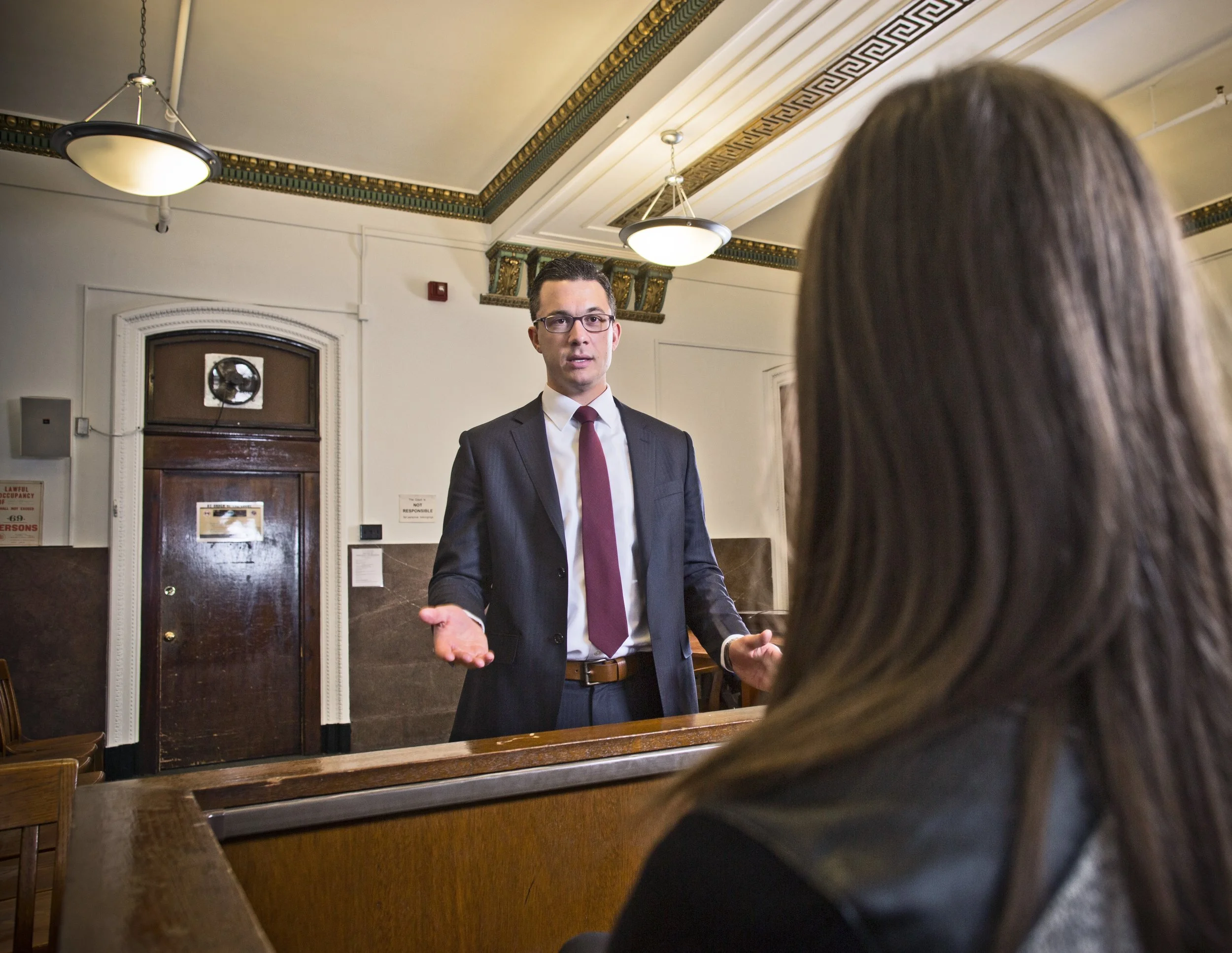
The preliminary arraignment is the first court hearing in a criminal case. At the preliminary arraignment, the magistrate will inform the defendant of the charges against him or her, determine if the defendant needs a public defender or intends to retain a private lawyer, set bail, and schedule the case for a preliminary hearing. The court will also usually provide private defense counsel or the public defender with a copy of the Affidavit of Probable Cause. The Affidavit of Probable Cause usually contains a summary of the case against the defendant. If the accused turned themselves in after learning of an arrest warrant, it is often possible for the accused to retain a criminal defense attorney and have the lawyer present for the preliminary arraignment to argue for lower or unsecured bail.
Pennsylvania Uses a Cash Bail System
For the accused, the most important part of this hearing is usually the setting of bail. Pennsylvania operates on a cash bail system. The idea behind cash bail is that if the defendant or the defendant’s family must post some sort of collateral in exchange for release, it makes it more likely that the defendant will return to court to face the charges. Unfortunately, this has the practical effect of ensuring that the ability to obtain pre-trial release depends primarily on how wealthy the defendant is. Wealthy defendants may be able to make bail on extremely serious charges, while poor or indigent defendants may spend months or years in jail awaiting trial on low-level drug charges because they cannot post bail.
When the magistrate sets bail, the magistrate will typically evaluate the seriousness of the offense charged and the likelihood that the defendant will show up for court. Serious charges, especially charges involving firearms and violent crimes, are more likely to result in a higher bail. Likewise, a defendant with a history of failing to appear for court or with a number of serious criminal convictions is more likely to receive a higher bail.
How A Philadelphia Criminal Defense Attorney Can Help
It is extremely important that you speak with an attorney before you turn yourself in. The presence of a criminal defense lawyer at the preliminary arraignment can often result in much lower bail because the defense attorney is likely to have more information about the defendant’s background which could help in convincing the magistrate to set a low bail amount. Further, the fact that the defendant has retained an attorney may suggest to the court that the defendant does not intend to flee the jurisdiction. Instead, the defendant has retained a defense lawyer and is prepared to defend against the charges.
How much of the bail do I have to pay to get out?
In most cases, the defendant must post 10% of the bail amount and a small administrative fee in order to be released. Due to recent changes in the law, bail bondsmen are now allowed to operate in Philadelphia. However, they are required to post high collateral amounts with the courts, and so only a handful of bail bondsmen have begun operating in the city. Most of the time, the defendant’s friends or family pay 10% of the bail amount directly to the court in exchange for the defendant’s release. A bail bondsman operates by taking less than 10% in exchange for posting the bail bond, but the bail bondsman does not return the money at the end of the case. If the defendant cannot make bail or has any open warrants or probation detainers, then the defendant will remain in custody at the county prison until the case is over or the bail is reduced and the defendant is able to pay. Our criminal defense lawyers regularly handle motions to reduce bail and are often able to have the initial bail substantially reduced upon review by a higher ranking judge.
Will I get the bail money back?
In Philadelphia, the surety will receive most of the money back thirty days from the date on which the case is finished. When the case is over, the surety (the person who posted the bail) will receive at least 70% of the posted money back. The city will keep 30% of the amount paid or $1,500, whichever amount is less. This means that the city will not keep more than $1,500 even if the bail was very high. In the suburban counties, it is more common to use a bail bondsman, and each bail bondsman may charge a different rate. The counties also vary in the percentage of bail that they keep in cases in which the defendant posts bail directly to the court without the use of a bail bondsman. Once bail has been paid, the defendant will be released pending trial with a subpoena to appear for the next court date, which will typically be a preliminary hearing.
What if I cannot make bail? WHAT IS A BAIL MOTION?
If you cannot make the bail set by the magistrate at preliminary arraignment, then it may be possible to have the bail reduced by filing a bail motion. Each preliminary hearing listing provides an opportunity to make a bail motion asking the magistrate or Municipal Court judge to reduce the defendant's bail. If the magistrate or Municipal Court judge refuse to reduce bail, it may be possible to file a written bail motion in the Court of Common Pleas and have the bail decision reviewed by a higher ranking judge. Additionally, once the defendant has been held for six months without a trial, the Rules of Criminal Procedure provide that bail should be reduced to nominal bail, meaning the defendant ordinarily should be released. There are, of course, exceptions to this rule, and in some cases, the judge may impose a house arrest condition. Additionally, if the delay in bringing the defendant to trial is due to defense continuance requests, then the time will not count towards the six month limit.
We Can Help With Bail Hearings, BAIL MOTIONS, and Preliminary Arraignments
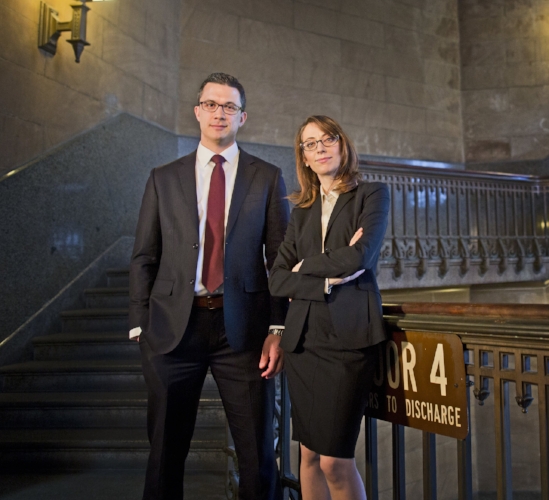
The initial bail hearing is one of the most important hearings in any criminal case. If bail is set at an amount that the defendant cannot afford, then the defendant will be remanded to custody pending the resolution of charges. Defendants who are in custody while awaiting trial are at a significant disadvantage because it is more difficult to meet with attorneys, locate witnesses, and prepare for trial. Likewise, the defendant could lose his or her job while in prison. Therefore, if you learn that you are wanted for criminal charges or receive a summons from a detective, it is critical that you retain a criminal defense lawyer prior to turning yourself in and having bail set. Call 267-225-2545 to speak with one of our Philadelphia criminal lawyers today.
Contact A Philadelphia Criminal Defense Attorney Today

Are DUI checkpoints constitutional? An update on recent checkpoint caselaw.
We frequently represent clients who have been arrested and charged with DUI after being stopped at a DUI checkpoint and allegedly failing field sobriety tests. The first question we typically receive is whether or not these police DUI checkpoints are constitutional. The answer depends on the procedures that the police followed in deciding where to place the checkpoint and how they operated the checkpoint.
ARE DUI CHECKPOINTS LEGAL?
In general, the Pennsylvania and United States Constitutions do not prohibit the use of DUI checkpoints or even seatbelt and other motor vehicle checkpoints. However, because checkpoints constitute a search and seizure for purposes of the Fourth Amendment, the appellate courts have established strict guidelines which the police must follow in order to legally conduct a checkpoint. A recent case from the Superior Court, Commonwealth v. Menichino, slightly loosens the requirements on the type of data police have to gather prior to conducting a checkpoint. However, it establishes that there are still strict rules which the police must follow. If the Commonwealth cannot show that the police followed those rules, then the results of the checkpoint such as field sobriety tests, the observations of the officer, and the results of chemical testing could be suppressed and excluded from evidence at trial.
LIMITS ON DUI CHECKPOINTS IN PENNSYLVANIA
In Pennsylvania, the general rules that the police must follow when setting up and conducting a DUI checkpoint are called the Tarbert-Blouse guidelines. The guidelines require the police to substantially comply with the following five criteria:
(1) vehicle stops must be brief and must not entail a physical search;
(2) there must be sufficient warning of the existence of the checkpoint;
(3) the decision to conduct a checkpoint, as well as the decisions as to time and place for the checkpoint, must be subject to prior administrative approval;
(4) the choice of time and place for the checkpoint must be based on local experience as to where and when intoxicated drivers are likely to be traveling; and
(5) the decision as to which vehicles to stop at the checkpoint must be established by administratively pre-fixed, objective standards, and must not be left to the unfettered discretion of the officers at the scene.
If the police do not “substantially comply” with the Tarbert-Blouse guidelines, then the results of the stop, such as blood or breath testing results, could be subject to a successful motion to suppress, and the court could dismiss the case.
Many of requirements are relatively simple for the police to follow and typically do not lead to litigation. Most Pennsylvania police departments generally seem to understand that that the stops must be brief and they cannot search the car, that there must be warning of the existence of the checkpoint, and that the checkpoint and number of cars which will be stopped must be planned in advance. That is not to say that they always follow those rules, but those issues are less likely to arise in a DUI checkpoint case. The fourth requirement, however, is often the subject of litigation and motions to suppress because the police, particularly in Philadelphia, simply do not obtain the necessary data to justify the location of the DUI checkpoint. Of course, if the police do not follow the other four requirements, then that could be the basis for a motion to suppress, as well.
In at least two appellate cases, the Pennsylvania Superior Court has ruled in favor of the defendant and excluded the results of the DUI checkpoint because the police departments in question failed to properly justify the locations of the checkpoints.
MOTIONS TO SUPPRESS IN DUI CHECKPOINT CASES
First, in Commonwealth v. Blee, 695 A.2d 806 (Pa. Super. Ct. 1997), the Superior Court upheld the granting of the motion to suppress because the police testified at the hearing that they simply established the checkpoint on one of the busier roads in their jurisdiction. At the motion to suppress hearing, the police officer who planned the checkpoint was unable to provide any specific data of any kind with respect to the number of DUI arrests or alcohol-related accidents at the actual location of the checkpoint. Therefore, the Superior Court held that when the Commonwealth fails to introduce evidence concerning the number of DUI-related arrests and/or accidents for a checkpoint’s location, then a checkpoint will be deemed unconstitutional.
Second, in Commonwealth v. Garibay, 106 A.3d 136 (Pa. Super. Ct. 2014), the Pittsburgh police conducted a seatbelt checkpoint on a relatively busy road in Pittsburgh. They advertised the checkpoint on billboards and in radio advertisements, and they also erected signs seventy-five yards prior to the checkpoint which alerted motorists to the checkpoint. The defendant in that case attempted to go through the checkpoint, and after police observed obvious problems with his car, they eventually arrested him and charged him with DUI.
Mr. Garibay moved to suppress the results of the chemical testing at trial, arguing at the seatbelt checkpoint was unconstitutional. The Garibay court held that the standards for a DUI checkpoint and seatbelt checkpoint are the same. For both types of checkpoints, the Commonwealth must present sufficient evidence and data to show that the checkpoint complies with the Tarbert-Blouse guidelines, and the guidelines require more than general testimony that the police picked a busy road.
In Garibay, the officer who designed the checkpoint testified only that he had picked a busy roadway. The officer provided generalized testimony lacking in any “specifics whatsoever regarding accidents, arrests, citations, violations, etc., regarding seatbelt usage or non-usage at the specific checkpoint location, nor did it present any insight into the selection of the checkpoint time and duration.” Therefore, the Superior Court reversed the trial court’s order denying the motion to suppress and excluded the results of the checkpoint.
In both Blee and Garibay, the courts referred to a requirement that the Commonwealth present data relating to the specific checkpoint location. In the most recent case addressing this issue, however, the Superior Court appears to have loosened the requirement.
In Commonwealth v. Menchino, the Superior Court loosened the requirement by holding that the specific checkpoint location should not be read so narrowly as to require the trial court to consider only DUI arrests at the exact unit block of the DUI checkpoint. Instead, where the Commonwealth presents significant data about the number of DUI arrests in the jurisdiction and the roadway at large, the Commonwealth may substantially comply with the Tarbert-Blouse guidelines. The police may consider DUI arrests and alcohol-related accidents in the general area, and the checkpoint is not limited to a specific block when deciding where to place a checkpoint. Therefore, the Superior Court reversed the decision of the trial court granting the motion to suppress.
Although Menchino loosens the standard at least a little bit, the data presented by the police in Menchino was substantial. The officer testified both to the exact number of arrests on a certain road as well as the number of arrests in the larger jurisdiction. Ultimately, the Commonwealth was able to show that 50% of all DUI arrests in that jurisdiction occurred somewhere along the road on which the police established the checkpoint. Therefore, the Superior Court recognized that police have at least some flexibility in deciding where to put the checkpoint in terms of exact placement along the road. For this reason, Menchino likely does not dramatically loosen the requirements on the police in terms of the data needed to plan a DUI checkpoint.
Given the strict requirements of the Tarbert-Blouse guidelines, our Philadelphia criminal defense lawyers are often able to successfully litigate motions to suppress based on challenges to the placement of the checkpoint and the procedures followed while operating the checkpoint. In many Philadelphia DUI checkpoint cases, the level of data presented simply does not comply with the requirements of the state and federal constitutions. Therefore, it is often possible to challenge Philadelphia DUI checkpoints using the Superior Court’s decisions in Blee and Garibay. Likewise, if police in the suburban counties do not follow the rules, then it may be possible to successfully challenge those checkpoints based on a lack of data, as well.
YOU HAVE RIGHTS - WE CAN HELP YOU PROTECT THEM

Philadelphia DUI Checkpoint Lawyer - Zak T. Goldstein, Esq.
The Pennsylvania courts have found that you do not surrender all of your constitutional rights when you decide to operate a vehicle on a public street. Instead, the Tarbert-Blouse guidelines provide a number of requirements with which the police must substantially comply. When the police do not follow the law and violate your constitutional rights by conducting an illegal stop or an illegal checkpoint, they may not use the results of their illegal actions in a prosecution against you. The bottom line is that our Philadelphia criminal defense lawyers have tried and won countless DUI cases. In many cases, there are pre-trial motions to be litigated and potential defenses at trial. You should not assume that just because you have been arrested, you have to plead guilty. Instead, you should call one of our DUI lawyers for a free 15-minute DUI defense strategy session. Each case is different. Call 267-225-2545 to speak with one of our Philadelphia DUI defense lawyers.

Common Defenses to Forgery Charges in Pennsylvania
We have just updated our guide on forgery charges in Pennsylvania. The forgery statute is complicated, and there are a number of potential defenses to these charges. Click here to read more about forgery charges.