PA Supreme Court: Expert Testimony on “Manner of Death” Must Be Held to a Reasonable Degree of Medical Certainty
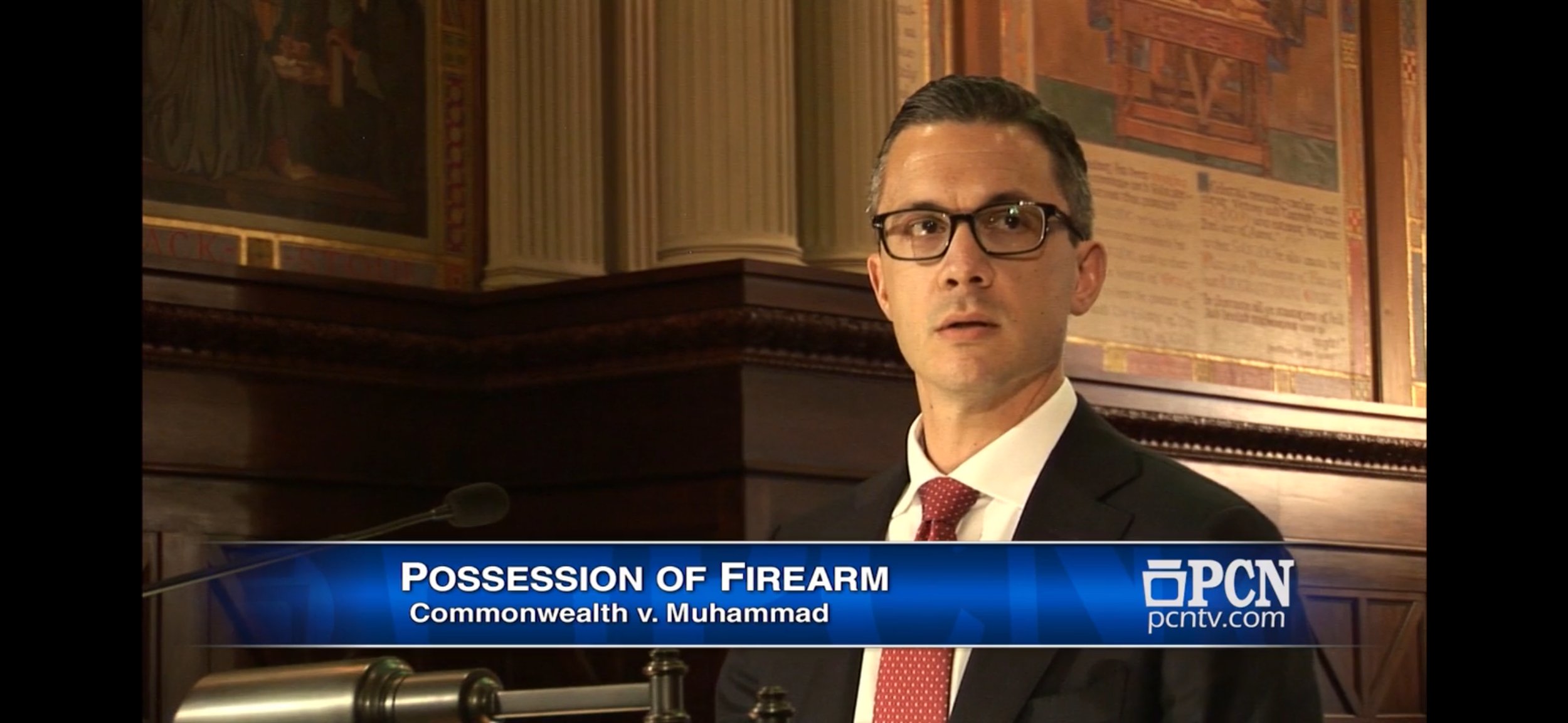
Criminal Defense Lawyer Zak T. Goldstein, Esquire
The Pennsylvania Supreme Court has issued a significant decision in Commonwealth v. Fitzpatrick, ruling that expert witnesses testifying about the "manner of death" in a homicide case must hold their opinions to a "reasonable degree of medical certainty." The Court rejected the Commonwealth’s argument that a lower standard—mere probability—should apply when an expert offers an opinion on whether a death was a homicide or an accident.
This ruling is a critical victory for defendants because it prevents the prosecution from using expert witnesses who are merely guessing or who cannot stand behind their conclusions with the requisite level of professional certainty.
The Facts of the Case
The case arose from a tragic incident in 2012. On June 6, 2012, Annemarie Fitzpatrick drowned in Muddy Creek, a tributary of the Susquehanna River. Her husband, Joseph Fitzpatrick, claimed that they were riding an ATV when the vehicle flipped backwards, throwing them both into the water. He claimed he could not save her.
Police investigations later uncovered suspicious circumstances, including a note in Annemarie’s day planner reading "If something happens to me—JOE," an extramarital affair, and significant life insurance policies. Joseph Fitzpatrick was eventually charged with and convicted of first-degree murder. However, that conviction was overturned because the trial court had improperly admitted the victim's note as evidence.
As the Commonwealth prepared for a retrial, they sought to introduce a new expert witness, Dr. James Caruso. Dr. Caruso, a forensic pathologist, was set to testify that the "manner of death" was homicide rather than an accident. However, during a pre-trial hearing, Dr. Caruso admitted that he did not hold this opinion to a "reasonable degree of medical certainty." Instead, he testified that he believed it was "more likely than not" a homicide.
The trial court ruled that Dr. Caruso’s testimony was inadmissible because it failed to meet the legal standard for expert testimony. The Commonwealth appealed, and the Superior Court reversed the trial court, creating a new rule that "manner of death" opinions need only be "probable" or "sturdy" rather than reasonably certain. The defense appealed to the Pennsylvania Supreme Court.
The Legal Issue
The issue before the Supreme Court was whether expert testimony regarding the manner of death (e.g., homicide, suicide, accident) is subject to the same strict evidentiary standards as testimony regarding the cause of death (e.g., drowning, gunshot wound).
The Commonwealth argued that because a jury can determine the manner of death without expert assistance, an expert who does testify on the subject should not be held to the strict "reasonable degree of medical certainty" standard. They argued that a "more likely than not" standard was sufficient.
The Supreme Court's Decision
In a definitive opinion written by Justice Wecht, the Pennsylvania Supreme Court reversed the Superior Court and reinstated the trial court’s order excluding the expert testimony.
The Court held that all expert testimony, regardless of the topic, must be held to a reasonable degree of professional certainty. The Court explained that experts enjoy a privileged place in the courtroom and are permitted to offer opinions on ultimate issues that lay witnesses cannot. Because of this power, their opinions must be “based on a reasonable degree of medical certainty rather than upon mere speculation.”
The Court explicitly rejected the Superior Court's attempt to lower the bar for manner of death testimony. The Court noted that allowing an expert to testify that a homicide was “more likely than not” (a 51% probability) would violate long-standing evidentiary rules, specifically citing the precedent in Griffin, where a 51/49 probability was deemed inadmissible.
Because Dr. Caruso admitted he could not state his opinion to a reasonable degree of medical certainty, his testimony was mere speculation in the eyes of the law and therefore inadmissible.
Key Takeaway
This case reinforces a fundamental protection for criminal defendants in Pennsylvania. The prosecution cannot bolster its case with expert witnesses who are unsure of their conclusions. If an expert is going to tell a jury that a death was a homicide, they must be able to say so with professional certainty, not just as a probability or a guess.
This decision also highlights the importance of rigorous pre-trial litigation. By challenging the expert's qualifications and the certainty of his opinion before the trial began, the defense prevented damaging, unreliable testimony from ever reaching the jury. It is always much harder to undo a wrongful conviction after the fact as appellate courts are often reluctant to overturn jury verdicts and may find harmless error. Additionally, appeals can take years, so even a successful appeal may mean the defendant has spent years in prison during the litigation before winning.
Facing Criminal Charges? We Can Help.
Goldstein Mehta LLC Criminal Defense
If you are facing criminal charges or are under investigation by the police, we can help. We have successfully defended thousands of clients against criminal charges in courts throughout Pennsylvania and New Jersey. We have successfully obtained full acquittals and dismissals in cases involving charges such as Homicide, Aggravated Assault, Rape, and Violations of the Uniform Firearms Act. Our award-winning Philadelphia criminal defense lawyers offer a free criminal defense strategy session to any potential client. Call 267-225-2545 to speak with an experienced and understanding defense attorney today.