

Philadelphia Criminal Defense Blog
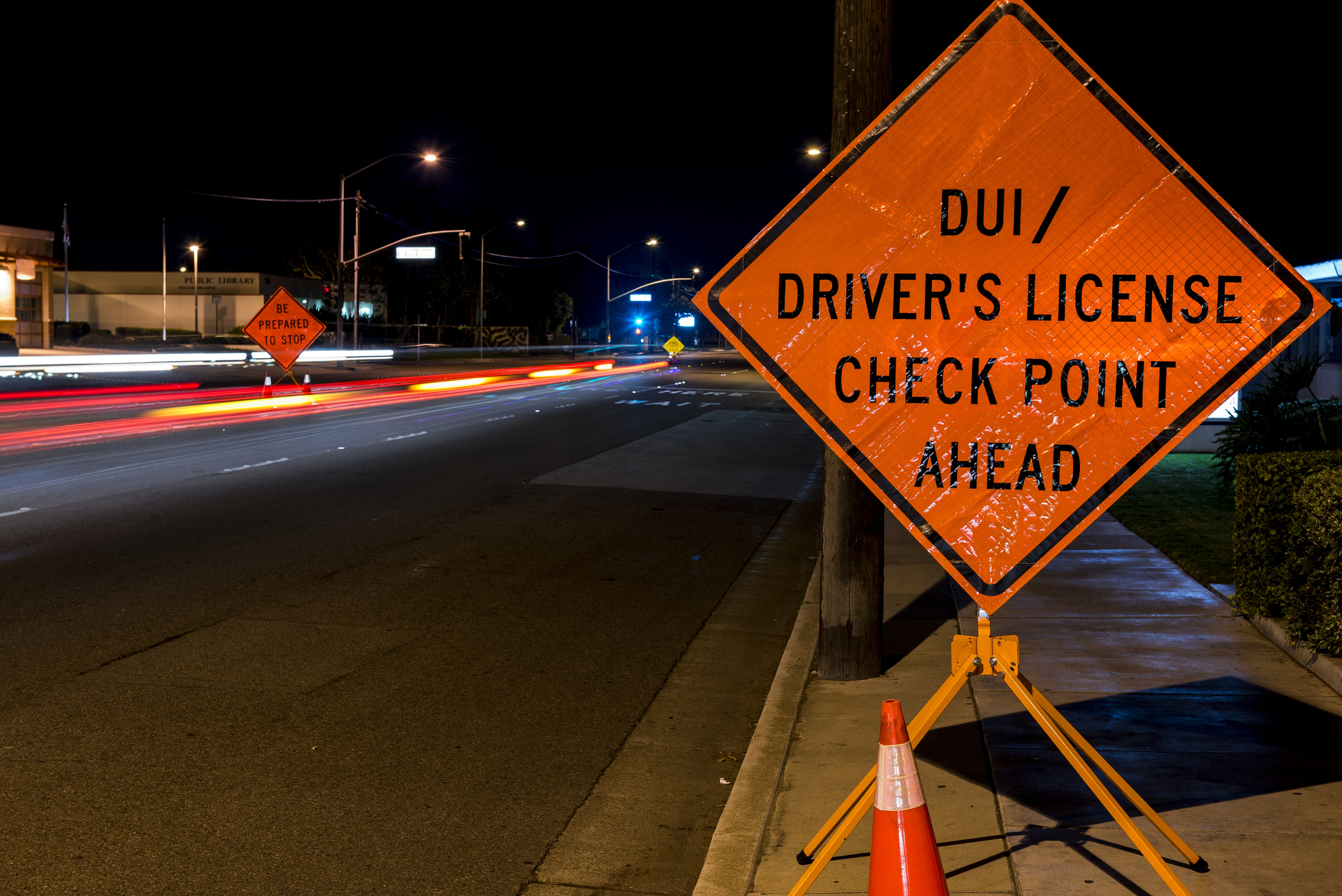
DUI Defense Update: Challenge to Blood Draw Refusal Evidentiary Presumption Waived by Failure to Raise Issue in Trial Court
DUI Litigation Following Birchfield v. North Dakota
The United States Supreme Court’s decision in Birchfield v. North Dakota created a number of issues in DUI litigation which have not yet been resolved. The Birchfield Court held that at a minimum, states may not impose criminal penalties on motorists who refuse to consent to a blood draw unless police first obtain a search warrant. As a result, much of Pennsylvania’s DUI law has been thrown into disarray, and there are a number of legal issues which still need to be resolved. These issues include the types of warnings and advice that police must provide to DUI suspects prior to requesting consent to a blood draw, whether a suspect’s refusal to consent to a blood draw without a warrant may be used against them as evidence of consciousness of guilt, and whether the police may draw blood from an unconscious Driving Under the Influence suspect.
Evidentiary Consequences of a Blood Draw Refusal
The Pennsylvania Superior Court has just declined to address one of these issues on appeal, finding that a DWI defendant who had not raised an evidentiary issue at trial could not raise it for the first time on appeal. Prior to Birchfield, it was well-accepted that the prosecution could use evidence of a motorist’s refusal to consent to a blood draw against them as evidence of consciousness of guilt. Although the refusal alone would not be enough to convict a criminal defendant, the trial judge or jury could infer from the defendant’s refusal that the defendant believed that evidence of intoxication would show up in the blood results. Thus, a refusal combined with other factors such as poor driving, an odor of alcohol or marijuana, and other evidence of that nature could combine to provide evidence of drunk driving or drugged driving beyond a reasonable doubt.
The Effect of Birchfield
Now that the United States Supreme Court (and Pennsylvania appellate courts) have held that blood draw refusals may not be used to increase the penalties or create new criminal penalties for DUI defendants, there have been a number of challenges to whether the previously mentioned evidentiary presumption of a refusal complies with the requirements of the United States and Pennsylvania Constitutions. In the case of Commonwealth v. Napold, the Pennsylvania Superior Court declined to decide this issue. The Court found that the issue was waived because Napold had not raised the issue by filing a motion in limine prior to trial or objecting to the evidence at trial. Thus, the Superior Court found that Napold had waived the issue by failing to properly preserve it by asking the trial judge to rule on the issue first.
Waiver Doctrine in Pennsylvania Criminal Appeals
Napold provides an illustration of Pennsylvania’s punishing waiver doctrine. Under Pennsylvania law, if the defense fails to object to something or have an issue resolved by the trial court either prior to trial or during trial, then the issue will be forever waived on appeal regardless of how patently inadmissible the evidence may have been. For example, if the prosecution attempts to introduce inadmissible hearsay testimony and the defense fails to object, the defendant cannot then argue that he or she was prejudiced by inadmissible hearsay on appeal. This is because the issue was not raised in the trial court, so the trial judge had no opportunity to correct the error. Most other jurisdictions provide some leeway in terms of an appellate court’s ability to review obvious or clear errors, but Pennsylvania does not.
Notably, the decision in Napold finding that the issue had been waived is different from many of the other Birchfield-related cases which dealt with sentencing. The issue of an illegal sentence may always be raised on appeal regardless of whether the issue was raised in the trial court. Therefore, challenges to Pennsylvania’s statutory mandatory minimum scheme for blood draw refusals were permitted despite the failure to raise those issues in the trial court.
As illustrated by Napold, evidentiary issues must be properly preserved, and whether or not the blood draw refusal can be used as evidence against a defendant will not be resolved by the appellate courts until a later date. Napold illustrates why it is critical even for criminal defense lawyers who only handle trials to be aware of what is happening in the appellate courts so that the defense attorneys can preserve issues in case the appellate courts rule in favorable ways for the defense.
Award-Winning Philadelphia Criminal Defense Attorneys and DUI Defense Lawyers

Philadelphia Criminal Defense Lawyer Zak T. Goldstein, Esq.
If you are facing DUI charges or under investigation for any criminal defense, you need the assistance of one of our award-winning Philadelphia criminal defense lawyers. We have successfully represented thousands of clients, and we will use our skill and experience to help you achieve the best possible result. Call 267-225-2545 for a free criminal defense strategy session with one of our top-rated defense attorneys today.

After-Discovered Evidence Motion | PCRAs and Appeals
Have witnesses recanted? Has new evidence been uncovered? An after-discovered evidence motion could help your loved one get out of jail.
Can I use new evidence to overturn a criminal conviction?
If the defense learns of new evidence after the defendant has been convicted but while the defendant is still serving a sentence, it may be possible to obtain a new trial by filing a post-sentence motion or PCRA Petition. For example, if new witnesses come forward or relevant video footage is uncovered, it may be possible to use that evidence to obtain a new trial. In general, Pennsylvania law provides a number of different ways to attack a criminal conviction or guilty plea. The normal appeals process involves filing post-sentence motions and if they are denied, an appeal to the Pennsylvania Superior Court. If that is not successful, the defendant may be able to challenge a conviction by filing a Post-Conviction Relief Act Petition.
After-Discovered Evidence Motions

Philadelphia Criminal Appeals Lawyer Demetra Mehta, Esq.
In addition to the normal appeals and PCRA process, there are also special motions which may be filed when the defense learns of new evidence or witnesses which would have made a difference and possibly led to a different outcome at trial. There are two types of after-discovered evidence motions, and the standard which must be met differs slightly depending on whether the case is still on appeal or whether the direct appeals have been exhausted.
Post-Sentence Motion for a New Trial
First, if the defendant has been found guilty but the case is still in the trial court for sentencing or post-sentence motions or it is still in the Superior Court for a direct appeal, the defense attorney must file a post-sentence motion with the court promptly upon the discovery of the new evidence. In order to obtain a hearing, the defendant must plead four things under Pennsylvania Rule of Criminal Procedure 720:
That the evidence was not available at trial to the defense despite the exercise of due diligence. This means that the defense must have taken reasonable steps to investigate the case and find the evidence. If the defense attorney did not conduct any investigation of any kind and should have interviewed a helpful witness who was mentioned in the discovery, then the motion will fail this prong.
The evidence is not cumulative. This means that if the defense already presented four alibi witnesses and would have presented a fifth alibi witness to testify to the same thing, the defense may fail this prong because the evidence would have been cumulative.
The evidence may not be used solely for impeachment. Thus, the fact that the defendant learns that a witness had a conviction for crimen falsi would likely not warrant a new trial. Instead, the evidence must be substantive – meaning a new witness who would testify to an alibi, or a new scientific method for testing DNA or fingerprints and corresponding results that would show that the defendant could not have committed the crime.
That the evidence would have resulted in a different verdict. This is often the hardest prong as witnesses who wait years to come forward may have credibility problems, and ultimately, the trial judge must rule on whether the witness would have made a difference at trial.
If the defense is able to plead all four of these things relating to the new evidence or new witness, then the trial court should hold a hearing on the after-discovered evidence motion, make findings of fact, and determine whether the defendant should receive a new trial. At the evidentiary hearing, the Court will typically hear testimony from the new witness or view the new evidence and also hear from the defense attorneys and possibly the defendant as to what steps were taken to locate the new evidence prior to trial.
After the Court holds an evidentiary hearing, the Court will then rule on each of these four factors. If the Court denies the motion, it may be appealed. However, the trial court has a great deal of discretion in evaluating these motions as the trial judge will view the testimony from the new witness and make a determination as to whether the witness is credible and would have made a difference, and these findings are difficult to overturn on appeal. Finally, it is important to note that an after-discovered evidence motion must be filed promptly.
Post-Conviction Relief Act Petitions (“PCRAs”) Based On New Evidence

Criminal Lawyer Zak T. Goldstein, Esq.
If direct appeals have been exhausted and the defendant is still serving a sentence, the defendant may file a Post-Conviction Relief Act petition seeking a new trial based on new evidence. Ordinarily, a PCRA Petition must be filed within one year from the date of sentencing (or the date on which the appellate courts uphold the conviction if appeals were taken). However, there is an after-discovered evidence to the one-year time limit which allows a defendant to file a new PCRA Petition based on after-discovered evidence within sixty days of learning of the evidence even if the Petition is filed more than one year from the date on which the sentence became final.
A PCRA Petition based on after-discovered evidence is very similar to the aforementioned Post-Sentence Motion. However, it differs slightly in that it must be filed within sixty days if the defendant is outside of the one year deadline for a PCRA. It also requires the defendant to show he or she did not know the fact(s) upon which he or she based her petition; and (2) they could not have learned those fact(s) earlier by the exercise of due diligence.
Ineffective Assistance of Counsel
The defendant could also take two different approaches in filing the PCRA. First, the defendant could attempt to meet the same standards as explained above and try to show that although the investigation was reasonably diligent, the evidence could not be uncovered. Alternatively, the defendant could attempt to introduce the new evidence through a PCRA challenge based on ineffectiveness of counsel by arguing that the defense attorney was ineffective and should have uncovered the evidence but did not adequately investigate the case. For example, if there was an alibi witness that was known to the defense in a Robbery case, but the defense took no steps to locate that person, then the PCRA Petition could allege that trial counsel provided ineffective assistance of counsel. However, this may not satisfy the previously mentioned sixty day extension because the defendant likely knew about the alibi witness. Whether the extension would apply depends on the facts of the individual case, making it important to consult with an attorney if you believe that new evidence could make a difference for you.
Commonwealth v. Shiloh
The recent case of Commonwealth v. Shiloh provides an example of after-discovered evidence in the PCRA context. In Shiloh, the defendant was convicted of selling drugs in part based on the testimony of a co-defendant, her sister. Specifically, she was convicted of multiple counts of delivery of a controlled substance, criminal use of a communication facility, conspiracy, and endangering the welfare of children, in connection with her participation in a drug operation. Her sister testified against her at trial, she was convicted, and she received 14-30 years of incarceration at sentencing.
Ms. Shiloh exhausted of all of her appeals and ordinary PCRAs, and she eventually filed a PCRA outside of the one year deadline for filing a PCRA. In the new PCRA, she alleged that her sister, who had testified against her, had prepared an affidavit admitting that she had received benefits from the prosecution in exchange for her testimony. Her sister also admitted to lying about receiving this consideration from the prosecution at trial. Shiloh included the notes of testimony from her sister’s sentencing in which the Commonwealth confirmed the existence of the agreement and asked for a reduced sentence due to the cooperation.
The trial court dismissed the PCRA Petition as untimely, and Shiloh appealed to the Superior Court. On appeal, Shiloh argued that the new evidence would constitute after-discovered evidence and that she could not have learned of it prior to trial. Whether or not Shiloh was entitled to the benefit of the previously discussed sixty day time limit for filing an after-discovered evidence PCRA came down to whether the “public record presumption” applied to her. As a general rule, PCRA Petitioners who are not in custody are expected to exercise due diligence in investigating their cases, meaning that if there are facts contained in public records such as the guilty plea colloquy of a co-defendant, then the facts will not constitute after-discovered evidence.
The public record presumption, however, does not apply to an incarcerated, pro se petitioner. The petitioner must still show that they exercised due diligence in conducting an investigation, but the presumption will not apply because pro se prisoners do not have access to the same resources and records as someone who is represented by counsel or someone who is not incarcerated. Because Shiloh was in custody for the duration of her appeals and PCRAs, the Superior Court reversed the finding of the trial court that she should have known about the guilty plea colloquy sooner and remanded the case to the trial court for an evidentiary hearing on when exactly Shiloh discovered or should have learned that her sister had cooperated against her and received benefits for so doing.
On remand, if Shiloh can show that she had no way of knowing about the cooperation and that the cooperation would have made a difference at trial, then she could be entitled to a new trial. Thus, after-discovered evidence motions can be extremely important because they could lead to the defendant receiving a new trial.
Award-Winning Philadelphia Criminal Defense Attorneys

Philadelphia Criminal Defense Attorneys Zak T. Goldstein, Esq. and Demetra Mehta, Esq.
if you are facing criminal charges or considering an appeal, we can help. Our award-winning Philadelphia criminal defense lawyers have won countless pre-trial motions, bench trials, and jury trials, and we have also successfully resolved many cases through negotiations which resulted in excellent outcomes for our clients. We can also help you evaluate the likelihood of success in filing a PCRA Petition or direct appeal to the Superior Court. We offer a 15-minute criminal defense strategy session to any potential client, so call 267-225-2545 to speak with one of our experienced and understanding defense attorneys today.
Recent Criminal Defense Awards



Withdrawing a Guilty Plea in Pennsylvania
I pleaded guilty, and I think it was a mistake. Can I withdraw a guilty plea?
Yes, in some cases it is possible to withdraw a guilty plea and go to trial. However, there are strict time limits for when motions to withdraw guilty pleas must be filed, and the motions are often difficult to win. If you recently pleaded guilty and feel that you may have made a mistake, you should contact one of our defense attorneys at 267-225-2545 immediately to discuss the merits of withdrawing your plea and the likelihood of success. If you wait too long, you could waive the right to challenge your plea forever.
How do I withdraw a guilty plea?
There are three ways that a guilty plea could be withdrawn. First, if the sentencing has not yet occurred, then the defendant may file a written pre-sentence motion to withdraw the guilty plea. Second, if the sentencing has already occurred, then the defendant has ten days from the date of sentencing to file a post-sentence motion asking the court to permit the defendant to withdraw the guilty plea. Finally, in rare cases, it may be possible to ask the judge for a new trial even after a guilty plea by filing a Post-Conviction Relief Act Petition. A PCRA Petition must be filed within one year from when the sentence became final. A sentence becomes final on the day of sentencing unless there is an appeal. Post-sentence motions and PCRA Petitions challenging guilty pleas are difficult to win.
Does the judge have to let me withdraw the plea?

Demetra Mehta, Esq. - Criminal Appeals Attorney
The judge is never required to allow a defendant to withdraw a plea. Instead, the judge must evaluate the allegations in the written motion and determine whether the interests of justice require that the defendant be allowed to withdraw a plea and proceed to trial. The exact standard which a judge will apply depends on the procedural posture of the case. Pre-sentence guilty pleas are typically easier to undo than a post-sentence guilty plea.
As a general rule, pre-sentence guilty pleas are the easiest to undo and motions to withdraw them are often granted. However, the right to withdraw a plea pre-sentencing is not absolute. in Commonweatlh v. Carrasquillo, the Pennsylvania Supreme Court re-affirmed that the trial court is imbued with the discretion to deny a defendant permission to withdraw a guilty plea, whether that request is tendered before or after sentencing. The Supreme Court suggested that a pre-sentence motion should typically be granted, but it reiterated that there is no absolute right to withdraw a guilty plea. Instead, trial courts have discretion in determining whether a withdrawal request will be granted; such discretion is to be administered liberally in favor of the accused; and any demonstration by a defendant of a fair-and-just reason will suffice to support a grant, unless withdrawal would work substantial prejudice to the Commonwealth.
Prior to Carrasquillo, a defendant was entitled to pre-sentence withdrawal of a guilty plea simply upon a bare assertion of innocence. Now, a defendant may be required to demonstrate that the claim of innocence is plausible in order for it to be a fair and just reason for withdrawal of a plea. Thus, in the recent Superior Court case of Commonwealth v. Baez, the Pennsylvania Superior Court upheld the trial court's denial of a pre-sentence motion to withdraw a guilty plea where the defendant had picked a jury, heard from a number of witnesses, and then decided to plead guilty to various sexual offenses pursuant to negotiations with the prosecution. The Baez court concluded that the Commonwealth would suffer prejudice because child witnesses had already been required to testify and that the defendant had not provided a plausible claim of innocence.

Zak T. Goldstein, Esq. - Philadelphia Criminal Appeals Lawyer
Pre-sentence motions are no longer guaranteed, but they are often granted. Post-sentence motions, however, are much more difficult to win. Nonetheless, they may still be granted in some cases. Post-sentence motions for withdrawal are subject to higher scrutiny because courts strive to discourage entry of guilty pleas as sentence-testing devices. Instead, a defendant must demonstrate that manifest injustice would result if the court were to deny his post-sentence motion to withdraw a guilty plea. This is a harder claim to prove, and it will typically require more than simply asserting the defendant's innocence. Instead, the defense would likely be required to show a compelling case for innocence or that some new evidence or witnesses have come forward since the plea. The post-sentence motion to withdraw a guilty plea must be filed within ten days of the sentence.
Finally, in rare cases, it may be possible to attack a conviction through the Post-Conviction Relief Act Petition by filing a PCRA Petition within one year of sentencing or the conclusion of direct appeals, whichever is later. If the defendant can show that the plea was the result of ineffectiveness of counsel, that after-discovered, exculpatory evidence would have changed the defendant's mind about pleading guilty, or some change in constitutional law that would have provided a defense, it may be possible to challenge a guilty plea by filing a PCRA. Again, the time limits are strict, and if motions are not filed on time, then the right to attack the conviction could be lost forever.
What happens if I am allowed to withdraw the guilty plea?
If the judge grants the motion to withdraw the plea, then your case will proceed as if the plea was never entered. This means that the parties are free to continue plea negotiations in the hopes of reaching a better deal. The parties may also litigate motions like pre-trial motions to suppress and then proceed to trial. Most importantly, the fact that the defendant pleaded guilty at one point during the case and was permitted to withdraw the plea is not admissible against the defendant at trial. The Rules of Evidence specifically prohibit introducing evidence relating to plea negotiations and in-court plea proceedings. This means that the fact that there was at one point a guilty plea cannot be used against the defendant to show guilt.
Philadelphia Criminal Defense Lawyers for Post-Sentence Motions, Criminal Appeals, and Post-Conviction Relief Act Petitions
Goldstein Mehta LLC - Philadelphia Criminal Defense Attorneys
If you recently pleaded guilty and believe that you made a mistake, we may be able to help. We have successfully helped clients reverse convictions and pleas through the use of post-sentence motions, appeals, and Post-Conviction Relief Act Petitions. It is important to remember that strict deadlines apply when attempting to undo a guilty plea. We offer a free criminal defense strategy session with one of our experienced and understanding defense attorneys to every potential client. Call 267-225-2545 to speak with an award-winning Philadelphia Criminal Defense Lawyer today.
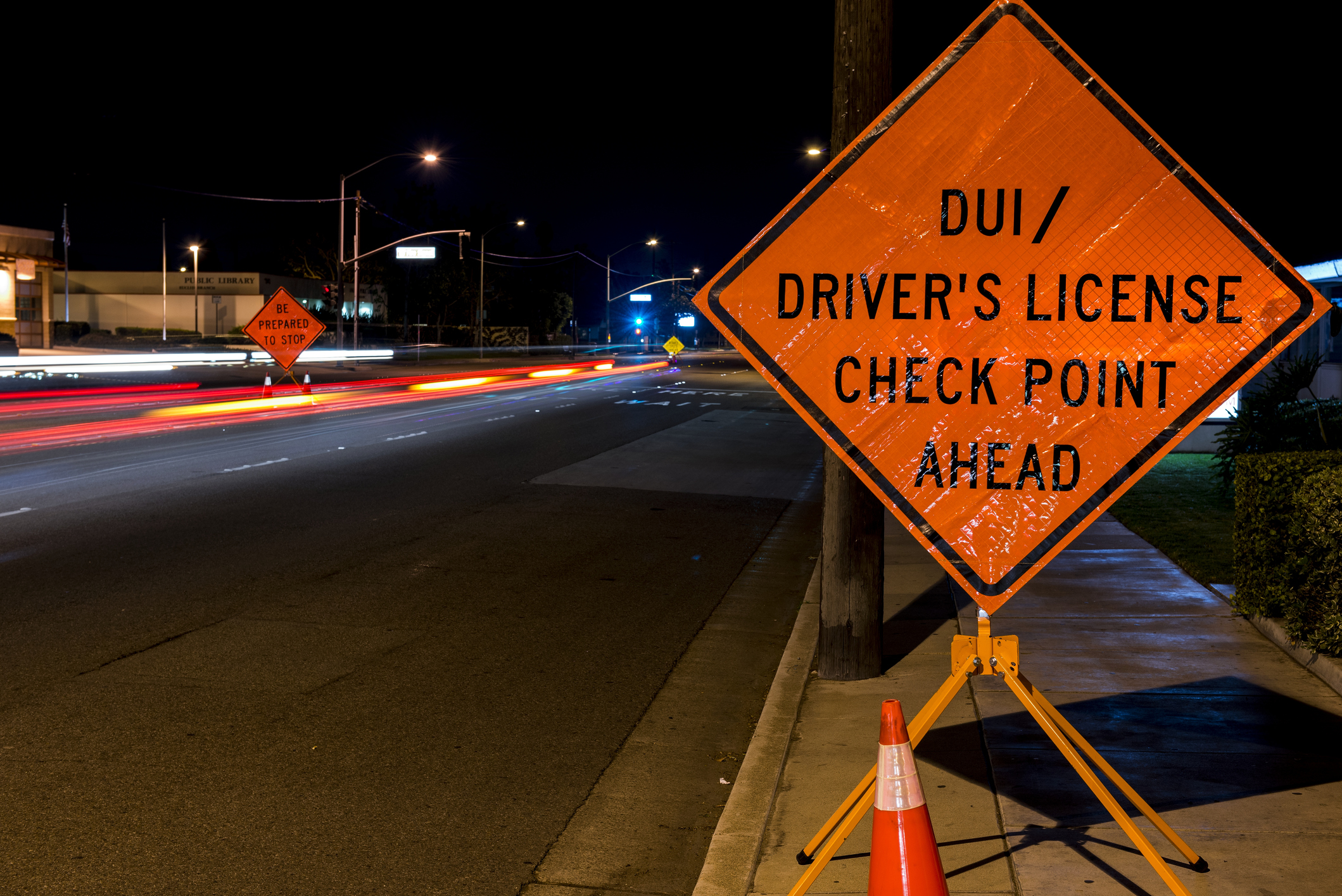
PA Superior Court: Summary Traffic Offenses May Be Charged Separately From Serious Offenses in Philadelphia
For many years, it was the routine practice of the Philadelphia Police Department to charge summary traffic offenses and more serious charges like DUI or possessory offenses separately. For example, if police pulled a car over for speeding and ultimately found a gun in the car or ended up charging the driver with DUI, then the Commonwealth would bring the summary speeding charge in Philadelphia Traffic Court and the more serious gun charge or DUI charge in either the Municipal Court or the Court of Common Pleas. Thus, a defendant who wished to challenge the traffic citation would be required to attend twice as many court dates and hire a defense attorney twice.
This practice arguably violates Pennsylvania's compulsory joinder statute. Pennsylvania has a compulsory joinder statute which is codified at 18 Pa C.S. § 110. At its most basic level, a compulsory joinder statute requires the prosecution to bring charges which arise out of the same incident together in a single prosecution. This spares the defendant the additional time, expense, and stress of defending against two separate cases, and in this sense, compulsory joinder is very similar and related to the idea of Double Jeopardy – that a defendant may not be prosecuted for the same crime twice. Pennsylvania appellate courts had repeatedly ruled that under a prior version of Section 110 (the joinder statute), summary offenses were just different and did not count because the Court of Common Pleas held jurisdiction over misdemeanors and felonies and the Magisterial District Courts had jurisdiction over summaries. Therefore, the prosecution and police could bring summary traffic prosecutions in traffic court and misdemeanor and felony prosecutions in the Municipal Court and Court of Common Pleas.
In 2002, the Pennsylvania Legislature amended the statute to change language requiring compulsory joinder where the offenses occurred within courts of the same jurisdiction to offenses which occurred within the same judicial district. This language arguably has a dramatic impact. Instead of summaries being different due to the differing jurisdictions of the courts, the question became whether the offense occurred in the same judicial district. This issue became even more important approximately ten years later when the Philadelphia Traffic Court became enmeshed in scandal and was abolished. After the court was abolished, its functions were merged into the Philadelphia Municipal Court – Traffic Division. Thus, any argument that summary offenses were not within the same judicial district or that the Municipal Court did not have jurisdiction became extremely weak, and defense lawyers began to successfully move for cases to be dismissed due to the fact that summary traffic cases arising out of the same stop had already been resolved.
In the vast majority of cases, the traffic ticket would be resolved much faster than the criminal case. The traffic court hearings were scheduled more quickly, and if a defendant failed to appear for court, the defendant would be found guilty in absentia. Further, many defendants pay their traffic tickets online, by phone, or through the mail rather than going to court to fight them. This meant that a traffic court case could be disposed of within a month or two, and the defense could then move to dismiss the criminal case as violating the compulsory joinder rule. Once prosecutions realized they had a potential problem, Philadelphia Police quickly changed their procedures and stopped issuing traffic tickets in cases where they also intended to charge the defendant with a more serious crime. However, many existing cases were successfully dismissed because the traffic tickets had already been resolved.
Although this issue is not as prevalent today because a large number of the cases in which this happened have already been resolved, the Superior Court has just held that the unique rules establishing the Philadelphia Municipal Court – Traffic Division trump the compulsory joinder rule and allow the traffic citations to be issued separately from the criminal charges.
On August 30, 2017, the Pennsylvania Superior Court issued its decision in Commonwealth v. Perfetto. The Superior Court overturned the trial court’s decision granting Mr. Perfetto’s Motion to Dismiss. Although this decision is limited to Philadelphia, it could potentially affect a large number of defendants who are charged with Driving Under The Influence (“DUI.”)
Commonwealth v. Perfetto
In July 2014, Mr. Perfetto was arrested in Philadelphia and charged with three counts of “DUI.” Mr. Perfetto was also charged with the summary offense of driving without lights as required, a traffic citation. Although traffic citations are not considered very serious, they are still summary offenses, and all summary offenses are crimes under Pennsylvania law. In September 2014, Mr. Perfetto was found guilty of the traffic citation by the Philadelphia Municipal Court – Traffic Division. In June 2015, Mr. Perfetto filed a motion to dismiss in his DUI case, arguing that § 110 barred the prosecution. The trial court agreed with Mr. Perfetto and dismissed the DUI case. The court granted the motion because Mr. Perfetto’s case satisfied the four requirements of § 110. Shortly thereafter, the Commonwealth filed an appeal, arguing that Mr. Perfetto’s subsequent DUI prosecution was not barred by § 110.
What is Double Jeopardy and § 110?
Double Jeopardy is mentioned in both the United States Constitution (5th Amendment) and the Pennsylvania Constitution (Article 1, Section 10). Double Jeopardy is the rule that the same government cannot put you on trial for the same charges twice. For example, let’s say a defendant is accused of punching a complainant in the face and is charged with Simple Assault and Recklessly Endangering Another Person (REAP). If the defendant was acquitted of these charges, the same government could not put that defendant on trial again for those charges because Double Jeopardy would forbid it. This rule does not always apply against other levels of government. For example, a federal prosecution will prevent the Commonwealth of Pennsylvania from bringing a subsequent prosecution, but a Pennsylvania prosecution will not prevent the United States from bringing a federal prosecution.
The idea of compulsory joinder is similar and arises out of many of the same concerns of Double Jeopardy. As previously explained, Section 110 provides Pennsylvania’s compulsory joinder rule. § 110 is similar to the Double Jeopardy clauses of the Pennsylvania and U.S. Constitutions, but more nuanced. § 110 is the codification of the rule announced in the Pennsylvania Supreme Court decision of Commonwealth v. Campana, 304 A.2d 432 Pa. 1973). In Campana, the Court held that ‘the Double Jeopardy Clause requires a prosecutor to bring, in a single proceeding, all known charges against a defendant arising from a single criminal episode.” Id. at 374. This is known as compulsory joinder. Using the same example above, let’s say that in addition to punching the complaining witness, the defendant also told said this person that he was going to kill him (arguably a Terroristic Threat), however the government only charged him with Simple Assault and REAP. Assuming this defendant is acquitted again, the defendant could not subsequently be tried for the crime of Terroristic Threats. The reason is because the “terroristic threat” came from the same criminal episode as the assault. Again, this would only prevent Pennsylvania from bringing a second prosecution; the federal government may still be able to bring federal charges.
In order to be successful when bringing a § 110 motion to dismiss, the defense must show four things: 1) the former prosecution resulted in an acquittal or conviction; 2) the current prosecution was based on the same criminal conduct or arose from the same criminal episode; 3) the prosecutor in the subsequent trial was aware of the charges before the first trial; and 4) all the charges are within the same judicial district as the former prosecution. The key issue in Mr. Perfetto’s case was the fourth prong of this analysis because it was the fourth prong that changed in the 2002 amendment to the compulsory joinder rule.
The Pennsylvania Superior Court Holds that Philadelphia’s Traffic Division of Municipal Court is a Separate Judicial District
In overturning the trial court’s decision, the Pennsylvania Superior Court made a very technical finding. First, the Court looked to 42 Pa C.S.A. § 1302, a statute which addresses traffic courts. In analyzing the statute, the Court held that when a traffic offense is resolved in a jurisdiction with a traffic court, there is no violation of § 110 if the more serious criminal charges are filed separately. In other words, if a jurisdiction does not have a traffic court, then § 110 would apply if a defendant resolved the traffic offense prior to their criminal offense, but the same is not true when the jurisdiction has a traffic court.
Unfortunately, Philadelphia is different than other jurisdictions in Pennsylvania because its traffic court is specifically mentioned in § 1302. In 2013, Philadelphia’s traffic court merged with Philadelphia’s Municipal Court. This created two divisions: the General Division and the Traffic Division. Therefore, the Municipal Court has jurisdiction over both traffic and criminal offenses. Thus, prior to Perfetto, defense attorneys would argue that because Philadelphia does not have a separate traffic court, §110 applied for traffic offenses.
The Superior Court has now rejected this argument at least as it applies to Philadelphia courts. The Superior Court noted that the Pennsylvania Supreme Court has the power to create rules for the general practice and procedure of the Courts. With this in mind, the Superior Court focused on a May 2014 comment to Pennsylvania Rule of Criminal Procedure 1001(D) which addresses Philadelphia Municipal Court. The comment stated:
This rule, which defines “Municipal Court case,” is intended to ensure that the Municipal Court will take dispositive action, including trial and verdict when appropriate, in any criminal case that does not involve a felony, excluding summary cases under the Vehicle Code. The latter are under the jurisdiction of the Municipal Court Traffic Division, the successor of the Philadelphia Traffic Court.
Pa.R.Crim.P. 1001(D), cmt.
As such, the Superior Court held that the Supreme Court’s intent was for the traffic division of the Municipal Court to exclusively hear the traffic offenses. Thus, the Superior Court held that, in essence, Philadelphia’s Municipal Court traffic division is analogous to a jurisdiction with its own separate traffic court. Consequently, the Superior Court held that § 110 does not bar subsequent prosecution of a criminal offense when there has been a prior disposition of a traffic offense in Philadelphia. The Superior Court reversed the ruling of the trial court, and Mr. Perfetto’s case was remanded back to the Philadelphia Municipal Court for trial.
DUI Cases
At this point, the impact of Perfetto is relatively limited. For a number of years, unpublished opinions of the Pennsylvania Superior Court reached the opposite conclusion, so a large number of cases have already been dismissed and cannot be reinstated. For those cases which were on appeal and awaiting the decision in Perfetto, the defendants will now face prosecution once again. However, the Philadelphia Police Department stopped issuing separate traffic citations a number of years ago due to this rule, so the decision is not likely to substantially affect newly charged defendants. Certainly, Perfetto will likely be appealed to the Pennsylvania Supreme Court, and the issue may not be resolved.
Philadelphia Criminal Defense Lawyers

Philadelphia Criminal Defense Attorneys
As always, DUI cases can be very technical and there are a number of ways to beat them. If you are charged with DUI, you need an attorney who has the knowledge and expertise to fight your case. Our award-winning Philadelphia criminal defense lawyers have successfully fought countless cases at trial and on appeal. We offer a 15-minute criminal defense strategy session to any potential client. Call 267-225-2545 to discuss your case with an experienced and understanding criminal defense attorney today.